
Open the current access page
Check the address, HTTPS, spelling and visible brand name before entering login details. Do not follow a login screen from a forwarded chat message without checking it carefully.
Login
Check the access page, password field, OTP handling, mobile browser route and fake-link warning signs before entering any Melbet1 account detail.
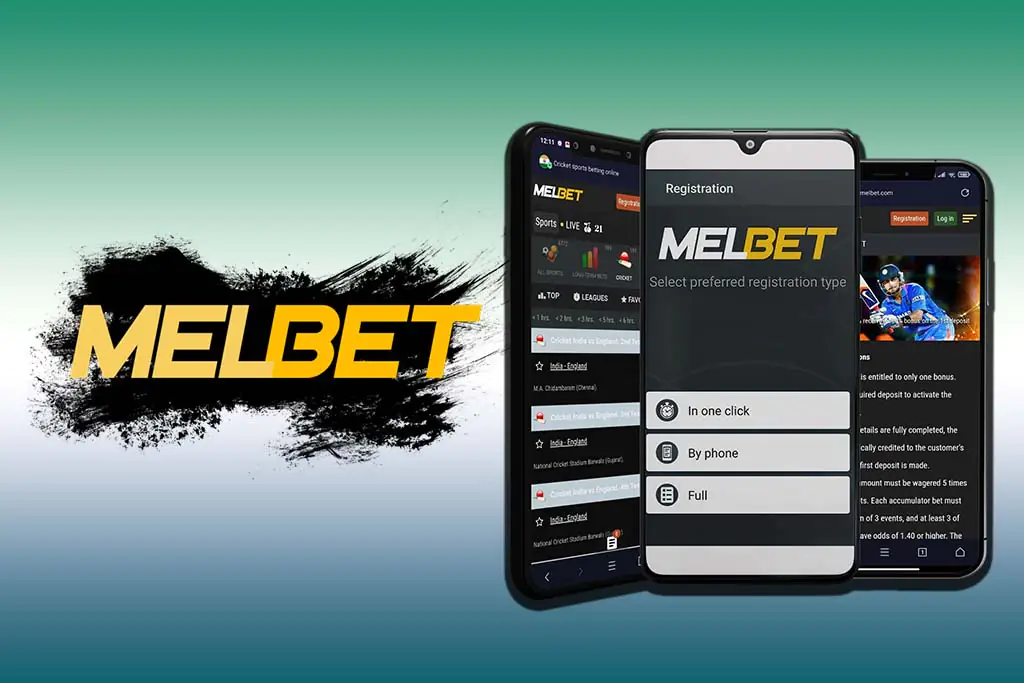
Check the address, HTTPS, spelling and visible brand name before entering login details. Do not follow a login screen from a forwarded chat message without checking it carefully.
Use your own account details and avoid saved passwords on shared devices. If the page asks for unusual information, stop and review the route again.
An OTP is private. Do not share it with anyone claiming to help with login, bonus activation, payment approval or account recovery.
If the password fails, avoid repeated guessing. Use the recovery option shown on the current platform page and create a stronger password after access is restored.
Account safety
Check the spelling, keyboard language and saved password before trying again. Use recovery if you are unsure.
Wait briefly, check network coverage and avoid sharing the OTP request with anyone else.
Stop if the login page looks copied, has odd spelling or asks for payment details at login.
Refresh carefully, check the browser, and avoid switching between too many unknown links.
Guide notes
Before login
A login page should be checked slowly, especially when the link comes from search results, chat groups or old bookmarks. Before entering a password, confirm the brand spelling, HTTPS, page title and whether the login screen behaves as expected.
Do not treat a familiar logo as proof. Fake pages can copy colours, buttons and forms. The full address and behaviour of the page matter more than how polished it looks.
URL checks
Small spelling changes are easy to miss on a phone screen. Read the domain carefully, avoid short links and close pages that redirect through unexpected domains. A copied login page may look normal until you inspect the address bar.
HTTPS is only one check, not a complete guarantee. Use it together with page spelling, expected layout, normal login fields and your own route to the page.
Account safety
A Melbet1 password should be unique and different from banking, email and social media passwords. Do not save it on a shared phone or public computer. If a browser offers to save the password on a device others use, decline it.
An OTP is private. Do not read it out to a caller or paste it into a chat, even if the person claims to handle recovery, bonus activation or payment approval.
Mobile use
Most Indian users check access from mobile, so the login screen should be reviewed with extra care. Zoom if needed, close old tabs and avoid tapping pop-ups quickly. A small screen can hide a wrong domain or a suspicious permission request.
Use a locked personal device where possible. Avoid public Wi-Fi for account actions, especially if you are also checking payment or bonus pages.
Troubleshooting
A failed login can come from a wrong password, old saved detail, network issue, expired session, typo in mobile number or a route that no longer works. Pause and check the basics instead of trying multiple random links.
If recovery is needed, use the recovery route shown on the current page. Do not pay anyone to unlock an account or speed up access.
Fake support
Be careful with Telegram, WhatsApp or social profiles that promise quick account recovery. Real account recovery should not require sending passwords, OTPs, banking details or remote access to your phone.
If someone asks for a payment to restore login, treat it as unsafe. Keep recovery inside the platform route and change your password if you entered details on a suspicious page.
Privacy
Avoid public computers, cyber cafes and shared family phones for account access. If you must use a shared device, do not save passwords, close the session fully and clear sensitive notifications.
A shared device can expose OTP messages, screenshots, saved passwords and browser history. A private locked phone is the safer route for login and account checks.
Related guides
After checking login safety, read the registration guide for account setup, the app guide for mobile access and the payment guide before using any method that involves money. Each page covers a different risk.
FAQ
Check the full address, HTTPS, spelling, page title and whether the login form asks only for normal account details.
Do not keep guessing. Recheck saved details, keyboard input and network, then use the recovery route shown on the current page.
No. OTPs are private. Do not share them through chat, calls or social messages for login, recovery, payment or bonus help.
Avoid public Wi-Fi for account actions. Use a private connection and a locked device whenever possible.
Unexpected redirects, odd spelling, chat-based OTP requests, payment details at login and short links from unknown sources are warning signs.